Orthodontic Treatment in Pune & PCMC: Everything You Need to Know About Braces and Clear Aligners Best Orthodontist in Pune & PCMC | Braces & Clear Aligners A Beautiful Smile Begins with Properly Aligned Teeth A confident smile can leave a lasting impression, but crooked, crowded, or misaligned teeth can affect not only your appearance but also your oral health. Orthodontic treatment helps straighten teeth, improve your bite, and create a healthier smile that lasts a lifetime. At Dr. Babel’s Unique Dental Clinic, Pimple Saudagar, our orthodontic specialists provide personalized treatment plans using the latest techniques, including metal braces, ceramic braces, self-ligating braces, and clear aligners, helping patients of all ages achieve beautiful, healthy smiles. If you’re looking for the best orthodontist in Pune or PCMC, this guide explains everything you need to know about orthodontic treatment. What is Orthodontics? Orthodontics is a specialized branch of dentistry that focuses on diagnosing, preventing, and treating misaligned teeth and jaw irregularities. Orthodontic treatment improves the position of your teeth and jaws, enhancing both function and aesthetics. Properly aligned teeth are easier to clean, reduce the risk of tooth decay and gum disease, improve chewing efficiency, and contribute to better speech and facial harmony. Signs You May Need Orthodontic Treatment You may benefit from orthodontic treatment if you have: Early diagnosis allows orthodontists to correct problems before they become more complex. Who Can Get Braces? Orthodontic treatment isn’t just for teenagers. We successfully treat: Many adults today choose braces or clear aligners to improve their smile and oral health. Types of Orthodontic Treatment Metal Braces Traditional metal braces remain one of the most effective solutions for correcting mild to severe alignment issues. Benefits include: Ceramic Braces Ceramic braces function similarly to metal braces but use tooth-colored brackets for a more discreet appearance. They are ideal for patients who want less noticeable orthodontic treatment. Self-Ligating Braces These advanced braces use specialized clips instead of elastic bands. Advantages include: Clear Aligners Clear aligners are transparent, removable trays that gradually move teeth into their ideal positions. Benefits include: They are especially popular among working professionals and adults seeking a discreet treatment option. The Orthodontic Treatment Process 1. Initial Consultation Your orthodontist evaluates your teeth, bite, facial profile, and jaw alignment. Digital photographs, X-rays, and study models may be taken to develop a customized treatment plan. 2. Treatment Planning Based on your diagnosis, the specialist recommends the most suitable treatment option, whether braces or clear aligners. You’ll also receive an estimated treatment duration and cost. 3. Placement of Braces or Aligners Braces are carefully bonded to your teeth, or your first set of aligners is delivered. Patients receive detailed instructions on maintaining oral hygiene throughout treatment. 4. Regular Follow-up Visits Periodic appointments allow the orthodontist to monitor tooth movement and make necessary adjustments. Consistent follow-ups are essential for achieving the best results. 5. Retention Phase Once treatment is complete, retainers help maintain your new smile and prevent teeth from shifting back. Wearing retainers as advised is key to preserving your results. Is Orthodontic Treatment Painful? Orthodontic treatment is generally well tolerated. You may experience mild soreness for a few days after braces are placed or adjusted, but this is temporary and can usually be managed with soft foods and over-the-counter pain relief if needed. Modern orthodontic techniques are designed to make treatment more comfortable than ever before. Benefits of Orthodontic Treatment Straightening your teeth offers several long-term advantages: Why Choose an Orthodontic Specialist? Orthodontic treatment requires specialized training and careful planning. At Dr. Babel’s Unique Dental Clinic, your treatment is carried out by qualified orthodontic specialists who focus on achieving predictable, healthy, and aesthetically pleasing results. Our approach emphasizes: Caring for Your Braces To ensure successful treatment: Good oral hygiene helps prevent cavities and gum problems during treatment. Frequently Asked Questions How long does orthodontic treatment take? Treatment typically lasts between 12 and 24 months, depending on the complexity of the case. Are braces only for children? No. Adults can successfully undergo orthodontic treatment and enjoy excellent results. Can I eat normally with braces? Most foods can be enjoyed, but very hard, sticky, or chewy foods should be avoided to prevent damage to the braces. Are clear aligners better than braces? Both are effective. The best option depends on your dental condition, lifestyle, and treatment goals. Your orthodontist will recommend the most suitable solution. Transform Your Smile with Expert Orthodontic Care Whether you’re considering braces for your child or exploring clear aligners as an adult, choosing the right orthodontic specialist makes all the difference. At Dr. Babel’s Unique Dental Clinic, Pimple Saudagar, we are committed to helping patients get the best dental treatment in Pune, PCMC, Wakad, Rahatani, Baner, Aundh, Pimpri, and Chinchwad achieve healthy, confident smiles through personalized orthodontic care. Book your consultation today and take the first step toward a straighter, healthier smile.
What are Root Canal Treatments?
Looking for the best root canal dentist in Pune or PCMC? Learn how painless root canal treatment works, why specialist care matters, and how Dr. Babel’s Unique Dental Clinic provides comfortable, advanced RCT to save your natural teeth with precision and compassion.
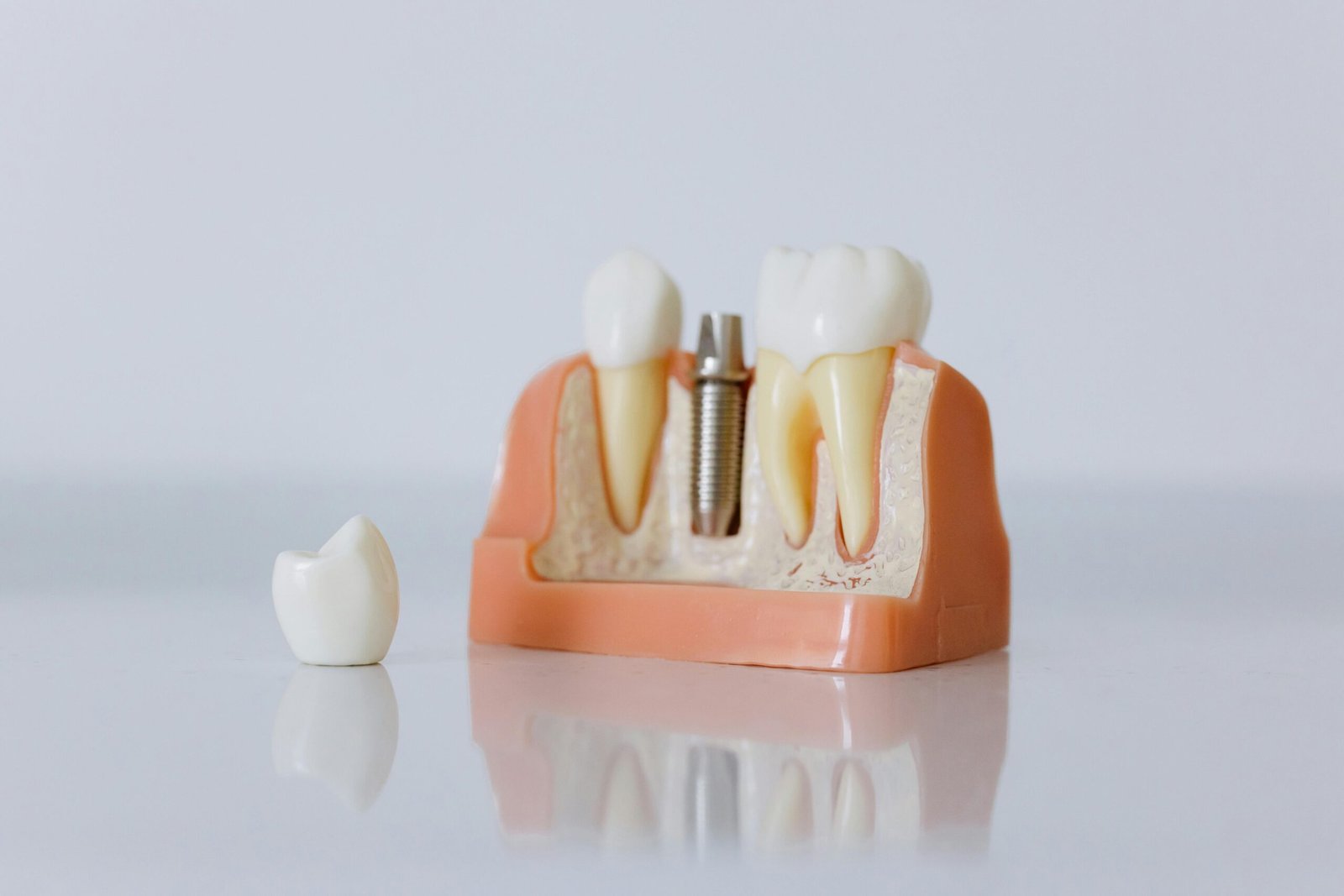
Understanding Dental Crowns: A Simple Guide
Dental crowns are like royal caps for your teeth, used to restore and protect damaged or weak teeth. Just like royalty comes in many forms, crowns do too—each with its own strengths and benefits. Here’s a quick and simple look at the different types: Porcelain Crowns – The Pretty Royals These crowns look just like natural teeth, so they’re great for front teeth. They’re strong, stain-resistant, and blend in well with your smile. Metal Crowns – The Tough Protectors Made from strong metals like gold or platinum, these crowns are extremely durable. They’re perfect for back teeth that do a lot of chewing. They don’t look natural, but they last a long time. Porcelain-Fused-to-Metal (PFM) Crowns – The Best of Both Worlds These crowns have a metal base for strength and a porcelain outer layer for a natural look. They’re a mix of strong and pretty, though over time, the metal underneath might start to show a bit. All-Ceramic Crowns – The Modern Choice Made entirely from ceramic, these crowns look very natural and don’t have any metal in them. They’re a great option if you want a strong, natural-looking tooth without any metal. Zirconia Crowns – The Crown Jewels These are the strongest and most advanced crowns, made from zirconium. They look natural, are long-lasting, and are gentle on your gums—making them great for both front and back teeth. In short: The right crown for you depends on where the tooth is, how much strength is needed, and how natural you want it to look. Your dentist will help you pick the best option for a healthy, long-lasting smile fit for royalty!
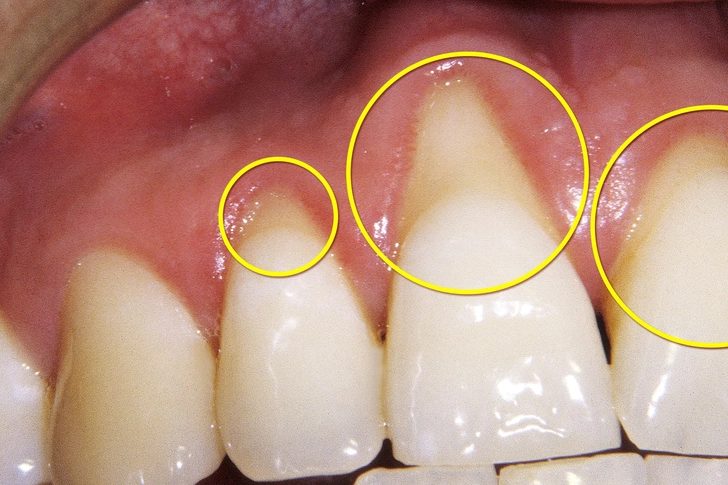
Why Does My Tooth Hurt Suddenly? Common Causes Explained
Have you ever been caught off guard by an unexpected, acute tooth ache? It can make even basic activities like eating or drinking intolerable, like a lightning bolt piercing your tongue. You’re not alone, so don’t worry! A frequent dental problem that many people experience at some point is sudden tooth discomfort or pain. We’ll look at the potential reasons for this discomfort in this blog post and offer some advice on how to avoid it altogether. Unexpected tooth pain can be uncomfortable and interfere with day-to-day activities. In order to obtain relief and take care of any underlying problems, it is essential to comprehend the potential causes of sudden tooth pain. The following are some of the most frequent causes of toothaches: Dental decay: Sharp, throbbing pain can result from cavities or dental decay when the nerves inside the tooth are exposed. Gum illness: Gum disease-induced gum inflammation can result in sensitivity and sporadic discomfort. Tooth Fracture: When biting or chewing food, a cracked or shattered tooth can cause abrupt, severe pain. Infection of the sinus: Occasionally, transferred dental discomfort that resembles a toothache can be caused by a sinus infection. Dental abscess: An abscess at the root of an infected tooth can cause excruciating, ongoing pain. Injury or trauma: Teeth or the structures that support them may be harmed in accidents involving impacts to the mouth. When to see a dentist? Pain in the tooth can be very upsetting and uncomfortable. It’s critical to understand when to consult a dentist for professional assistance. While some minor toothaches could resolve on their own, others might be a sign of a more serious problem that needs to be treated right once. Prolonged or worsening tooth pain is a common indicator that you should visit a dentist. You should make an appointment if your toothache persists for longer than a day or two and doesn’t get better. Ignoring the discomfort could eventually result in further issues. Swelling in your face or mouth is another sign that you need to visit a dentist. Swelling may indicate an infection, which requires immediate care to stop the infection from spreading and perhaps causing harm. Additionally, it could be a good idea to see a dentist if you have sensitivity to hot or cold meals and drinks. Gum recession and enamel degradation are two possible causes of this sensitivity. Do not hesitate to seek expert guidance if you observe any changes in the appearance of your teeth or gums, such as discolouration, bleeding, or sores. These concerns may indicate deeper issues that need to be addressed. Even in the absence of overt signs of discomfort, routine dental examinations are essential for preserving oral health.
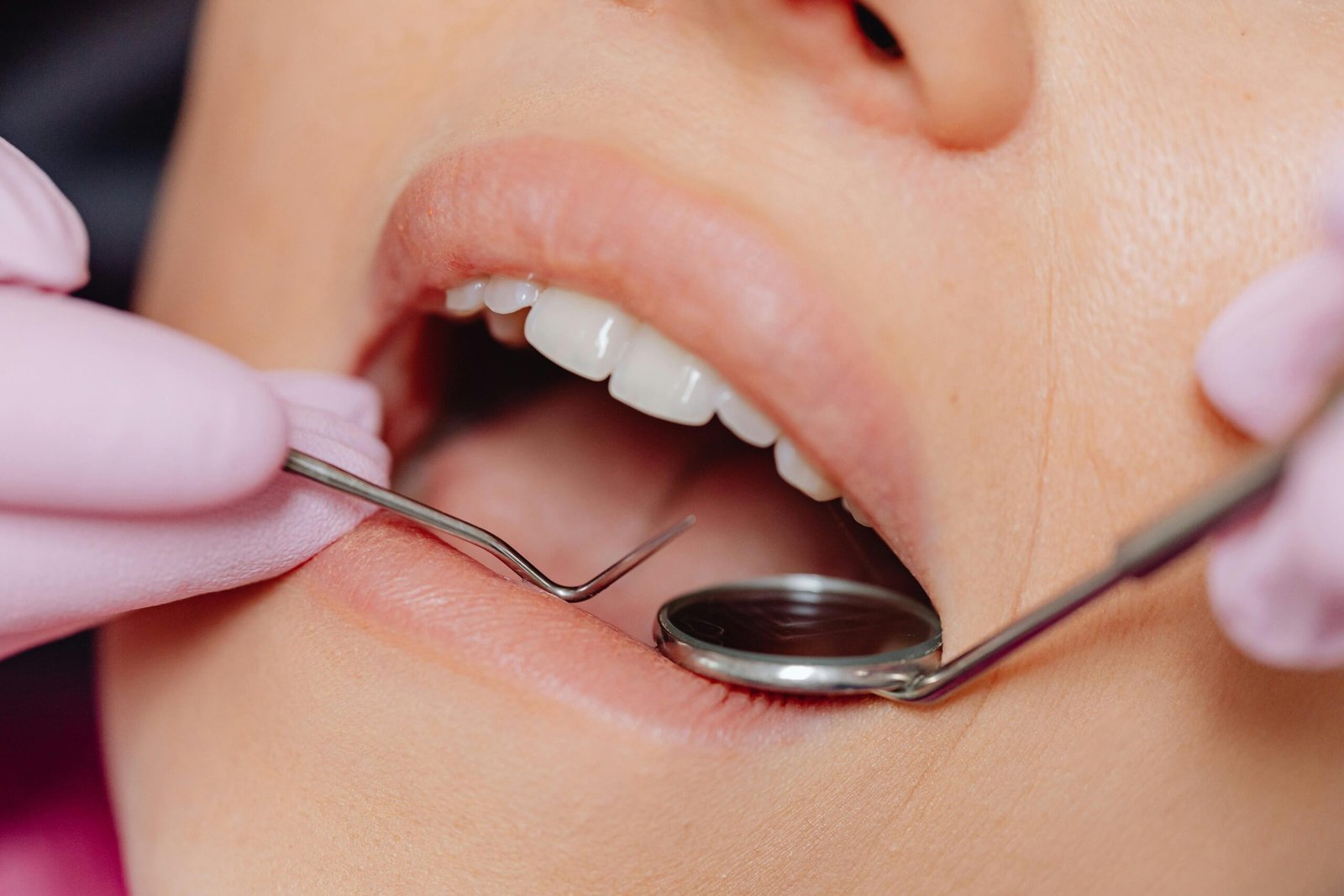
The Mouth-Body Link: Why Dental Care Matters More Than You Think
Did you know that your oral health is closely connected to your overall health? Your mouth isn’t just for eating and speaking—it’s the gateway to your digestive and respiratory systems. While most mouth germs are harmless, poor oral hygiene can let harmful bacteria enter the body, leading to infections and health problems beyond the mouth. Good oral care—like brushing and flossing daily—helps keep germs in check. Saliva also plays a key role by washing away food particles and balancing acids in the mouth. However, certain medications (such as decongestants, painkillers, and antidepressants) can reduce saliva flow, increasing the risk of infection. Oral issues like gum disease (especially periodontitis) have been linked to serious health conditions, including: Heart Infections (Endocarditis): Germs from the mouth can enter the bloodstream and infect the heart. Cardiovascular Disease: Inflammation caused by oral bacteria may contribute to heart disease and stroke. Pregnancy Complications: Gum disease is associated with premature birth and low birth weight. Respiratory Infections: Oral bacteria can travel to the lungs and cause pneumonia. Certain medical conditions can also worsen oral health: Diabetes makes it harder to fight infections, increasing gum disease risk. HIV/AIDS can cause painful mouth sores. Cancer (including oral, GI, breast, and prostate cancers) has shown links to gum disease. Alzheimer’s disease often leads to declining oral care with disease progression. Other concerns include rheumatoid arthritis, eating disorders, and Sjogren’s syndrome (which causes dry mouth). Keeping your dentist informed about your medications and health conditions—like diabetes or recent illnesses—can make a big difference. Regular dental checkups not only protect your smile but also support your overall health. 🦷 Your mouth reflects your body. Keep it healthy, and the rest will follow!
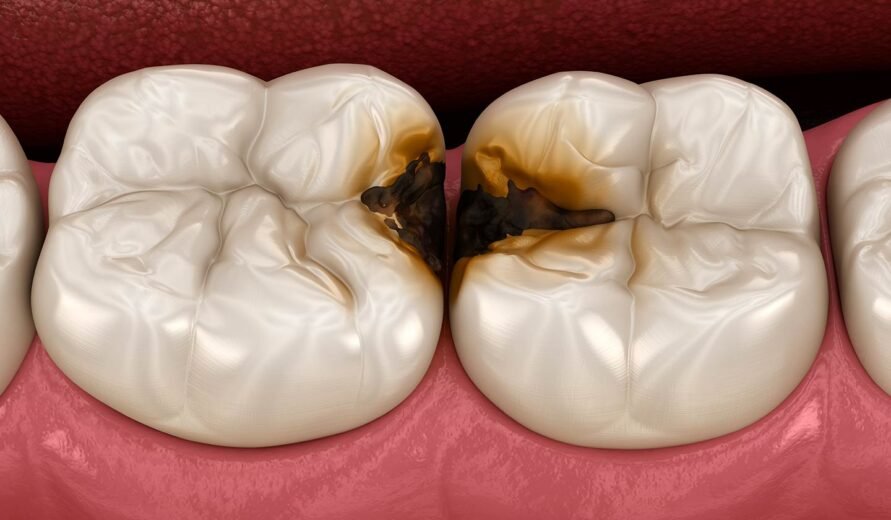
All About Cavities
A cavity is a small hole that forms in your tooth due to tooth decay. This happens when acids produced by bacteria in your mouth break down the tooth’s hard outer layer called enamel. If left untreated, cavities can get deeper and affect the inner parts of the tooth, leading to pain and infection. The good news is that cavities can be prevented with proper brushing, flossing, and regular dental checkups. How Common Are Cavities? Cavities are extremely common. In India, around 80% of children and 76% of adults either have cavities or are at a high risk of developing them.Children are especially vulnerable due to habits like consuming sugary snacks and not brushing properly. Who is at Risk of Getting Cavities? Cavities can affect people of any age, but certain groups are more prone: Children: Due to poor brushing habits and frequent consumption of sweets, juices, and snacks. Teens and Young Adults: Due to diet choices, lack of routine dental care, or orthodontic appliances like braces. Older Adults: Due to gum recession, dry mouth, or existing dental restorations that may fail over time. Symptoms and Causes Signs of a Cavity In the early stages, cavities may not show any symptoms. As the decay progresses, you might notice: Toothache – A constant or occasional pain in the affected tooth. Tooth Sensitivity – Discomfort when eating or drinking something hot, cold, or sweet. Bad Breath – Caused by bacteria buildup in the decayed area. Bleeding Gums – Especially during brushing or flossing. Facial Swelling – In cases of deep infection spreading from the tooth. Visible Hole or Dark Spot – On the surface of the tooth in advanced cases. How Are Cavities Treated? Once a cavity forms, it needs to be treated by a dentist to prevent further damage. Treatment depends on how deep the decay is. 1. Dental Fillings What it is: The decayed portion of the tooth is removed using a dental drill, and the cavity is filled with a special material. Materials used: Composite resin: Tooth-colored, blends well with natural teeth. Silver amalgam: Strong and durable but more noticeable. Gold: Long-lasting, but expensive and rarely used now. This is a common and effective way to restore the tooth’s structure and function. 2. Root Canal Therapy When it’s needed: If the cavity reaches the inner part of the tooth (pulp), which contains nerves and blood vessels. What happens: The infected pulp is removed. The inside of the tooth is cleaned and sealed with a material called gutta-percha. A dental crown is usually placed on top to protect the tooth. This procedure is done by a general dentist or a specialist called an endodontist. It helps save the tooth and eliminate pain. 3. Tooth Extraction When it’s needed: If the tooth is badly damaged and cannot be restored. What it involves: The tooth is removed (extracted) from the socket. After extraction: A dental implant, bridge, or partial denture may be needed to fill the gap left by the missing tooth. Replacing the tooth helps maintain chewing function and prevents other teeth from shifting. How to Prevent Cavities Prevention is always better than cure! Here are some key tips: Brush your teeth twice a day with fluoride toothpaste. Floss daily to remove food particles and plaque between teeth. Limit sugary snacks, sodas, and sticky foods. Drink plenty of water to keep your mouth hydrated. Visit your dentist every 6 months for cleanings and early detection of decay. Use dental sealants (especially for children) to protect deep grooves in molars.

5 Surprising Facts About Cavities You Should Know!
Not all sugar’s cause cavities: Refined sugars such as those found in chocolates, cold beverages, Aerated drinks are the leading cause of cavities in teeth. Natural sugars on the other hand will not cause cavities even if left on the tooth surface for a long period of time. Not only sugars cause cavities: Cavities are caused when bacteria dissolves carbohydrates and leave acids as the by-products. These acids then demineralize the tooth surface and cause cavities onto the tooth. The more carbohydrates a person eats in his daily life the more chances of getting cavities. Flossing is the most important of all oral hygiene techniques: Flossing has to be the forefront of the oral hygiene maintenance. Regular flossing can help eliminate bacteria and food particles from those hard-to-reach areas. Hence, reducing the chances of cavities. A dry mouth can lead to cavities and decay: Saliva in the mouth not only helps in swallowing a food by creating a bolus but it also helps in buffering the pH of the tooth to a more alkaline level. This helps in neutralising the acids created by bacteria and hence helps in avoiding cavities. Over-brushing can damage your enamel: Over brushing using a hard bristle tooth brush can lead to loss of the outer most layer of the tooth a.k.a. enamel. This is especially important for protecting the tooth against cavities and fractures as well. Enamel also helps in preventing tooth sensitivity against hot or cold as well as sweet foods.